
| Attribute | Value |
|---|---|
| Product Category: | |
| Manufacturer: | Hirose |
| Manufacturer Part Number: | Hirose MMCX-LP-FHSB(40) |
| Series: | MMCX |
| Gender: | Male |
| Housing Material: | PTFE |
| Termination Method: | Crimp, Solder |
| Contact Material: | Phosphor Bronze |
| Contact Plating: | Gold |
| Maximum Operating Temperature: | 85 °C |
| Minimum Operating Temperature: | -55 °C |
| Mating Type: | Snap-On |
| Mount Angle: | Right Angle |
| Impedance: | 50 Ohm |
| Mating Cycles: | 500 cycle |
| Maximum Frequency: | 8 GHz |
| SKU: | HIRMMCX-LP-FHSB(40) |
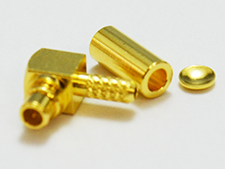
MMCX-LP-FHSB(40)

| ICC Number: | HIRMMCX-LP-FHSB(40) |
| Manufacturer: | Hirose |
| Manufacturer Number: | MMCX-LP-FHSB(40) |
| ECAD Model: |
Specifications
Detailed Description
Introducing the MMCX-LP-FHSB(40) RF coaxial connector, a high-performance solution for your connectivity needs. This male connector, part of the MMCX series, features a durable PTFE housing and offers versatile termination options with both crimp and solder capabilities. Constructed with phosphor bronze contacts and gold plating, it ensures reliable signal transmission with an impedance of 50 Ohm. Designed for demanding applications, this connector operates efficiently in temperatures ranging from -55°C to 85°C and boasts a mating cycle of 500, guaranteeing long-lasting performance. With RoHS compliance and a maximum frequency of 8 GHz, the MMCX-LP-FHSB(40) is a top choice for professionals in the aerospace, telecommunications, and military industries. Upgrade your connectivity infrastructure with this premium RF coaxial connector.
Product Change Notice
| Effective Date | Description of Change | Download | |||
|---|---|---|---|---|---|
| 06/04/2026 | PCN-26-016B - Packaging Spec Change. Changes Current: Bags printed with "HRS" Revised: Plain bags (without printing) | Download | |||
| 12/31/2025 | PCN2025-03 - Product Spec Change/PN Change.We will implement a shape change for the metal lids with a lens shape in the pressprocessed products. The change aims to improve quality and productivity. In our plating process (barrel plating), there was a risk of plating defects because the current shape of the lids could stick together when overlapped, preventing the plating solution from penetrating the stuck areas. With the new shape of the lids, even if they overlap, they will not stick together, eliminating the risk of plating defects. | Download | |||
Availability
In Stock:
Call
Stock Location:
In Stock
Factory Stock:
Call for Stock
Factory Lead:
Call
Unit Of Measure:
Each
Minimum/Multiple:
1/1
Invalid quantity value

Environmental & Export Classifications
| Attribute | Value |
|---|---|
| RoHS Compliant: | Unkown |