

| Attribute | Value |
|---|---|
| Product Category: | |
| Manufacturer: | Amphenol Aerospace |
| Manufacturer Part Number: | Amphenol Aerospace D38999/20JB99AN |
| Number of Contacts: | 7 |
| Contact Plating: | Gold |
| Shell Size: | 11 |
| Contact Type: | Pin |
| Shell Material: | Composite |
| Wire Size: | 24 to 20 AWG |
| Shell Type: | Wall Mount Receptacle |
| Shell Finish: | Olive Drab Cadmium |
| Current Rating: | 7.5 A |
| Voltage Rating: | 600 VAC |
| Insert Arrangement: | 11-99 |
| Keying Position: | N |
| Locking Mechanism: | Threaded |
| Operating Temperature: | -65 to 175 °C |
| Without Contacts: | Yes |
| Mil Type: | MIL-DTL-38999 |
| SKU: | AAOD38999/20JB99AN |
D38999/20JB99AN
Specifications
Detailed Description
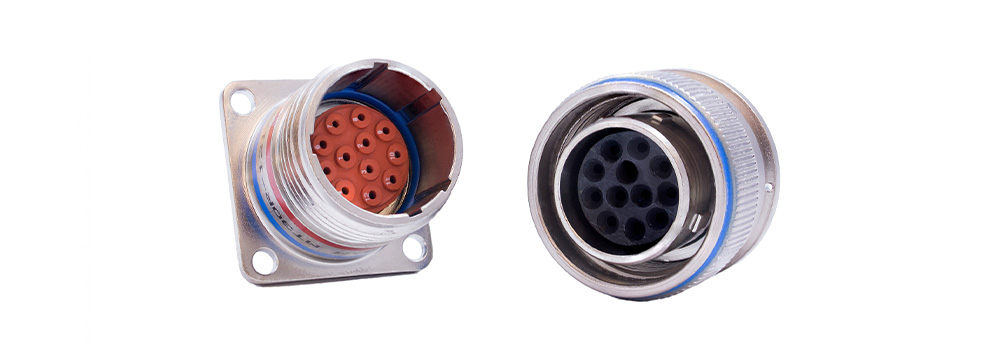
MIL-DTL-38999 III (D38999) harsh environment connectors, designated as SKU D38999/20JB99AN, offer reliable electrical connectivity in demanding applications. This product line includes wall mount receptacles, jam nut receptacles, and straight self-locking RFI plugs, providing versatility for various installation requirements. Featuring 9 shell sizes and 54 insert arrangements, these connectors accommodate M39029 contacts in sizes 22D, 20, 16, 12, 10 power, and 8 twinax, ensuring compatibility with a wide range of cables. Constructed from durable materials such as aluminum, stainless steel, and lightweight composite, with options for olive drab cadmium, nickel, black zinc nickel, and passivated stainless steel plating, they are designed to withstand harsh environmental conditions. The MIL-DTL-38999/20 connectors, with a shell size of 11 and 7 removable crimp contacts, are specifically engineered for wall mounting applications, featuring a threaded mating type and a cadmium olive drab finish coating for enhanced durability. With a service rating of I and a wide operating temperature range from -65°C to 175°C, they are suitable for military, aerospace, and other high-reliability applications. This product is not RoHS compliant, but it meets Boeing BACC standards, making it a reliable choice for critical connectivity needs.
